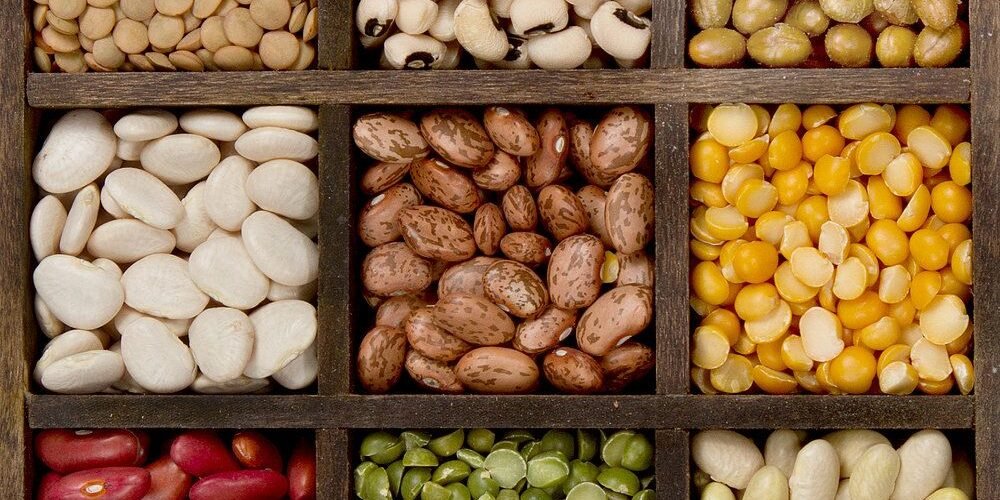
The most popular bean varieties include black, pinto, kidney, navy, lima, garbanzo, and soybeans.
Kidney beans have more protein than lima beans.
Black beans have more protein than other beans. Pinto beans have less protein than other beans. Lima beans have the least amount of protein among all the beans.
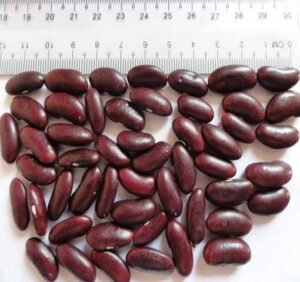
Black beans are often used in Mexican dishes such as tacos, burritos, enchiladas, and tamales. Pinto beans are commonly used in chili con carne, refried beans, and other Tex Mex dishes.
Kidney beans are typically used in soups and stews. Lima beans are usually added to salads and casseroles. Garbanzo beans (also known as chickpeas) are used in falafel, hummus, and baba ghanoush. Soybeans are used in tofu, tempeh, miso soup, and edamame.
Black beans are often used in Latin American dishes such as refried beans and guacamole. Pinto beans are commonly found in Mexican cuisine, while kidney beans are used in soups and stews. Lima beans are typically eaten as a side dish, and garbanzo beans are used in falafel. Soybeans are used in tofu and tempeh, and are also added to many Asian dishes.
White beans have more protein than navy beans.
All beans are high in protein, but white beans have more protein than black beans. Navy beans have less protein than pinto beans. Lima beans have less protein than any other bean.
Beans are one of the best sources of protein available. In fact, according to the USDA National Nutrient Database, 1 cup of cooked white beans contains 8 grams of protein. That’s more than beef (6 grams), chicken (7 grams), pork (8 grams), fish (10 grams), eggs (12 grams), milk (14 grams), and yogurt (15 grams).
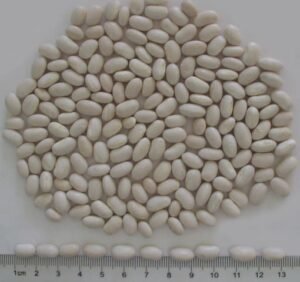
Beans are one of the best sources of plant-based protein, and there are many different types of beans available. Some people prefer to eat them plain, while others enjoy adding them to salads, soups, stews, and casseroles. One thing that makes beans such a versatile ingredient is that they contain both soluble and insoluble fiber. Soluble fiber dissolves in water, making it easier to digest. Insoluble fiber does not dissolve in water, meaning that it passes right through the digestive system without being broken down. Both types of fiber help lower cholesterol levels and reduce blood pressure.
Beans are one of the best sources of plant-based protein, according to the U.S. Department of Agriculture (USDA). A half cup serving contains 6 grams of protein, compared to 4 grams from a similar amount of meat. In addition, beans contain fiber, iron, folate, zinc, magnesium, potassium, and B vitamins.