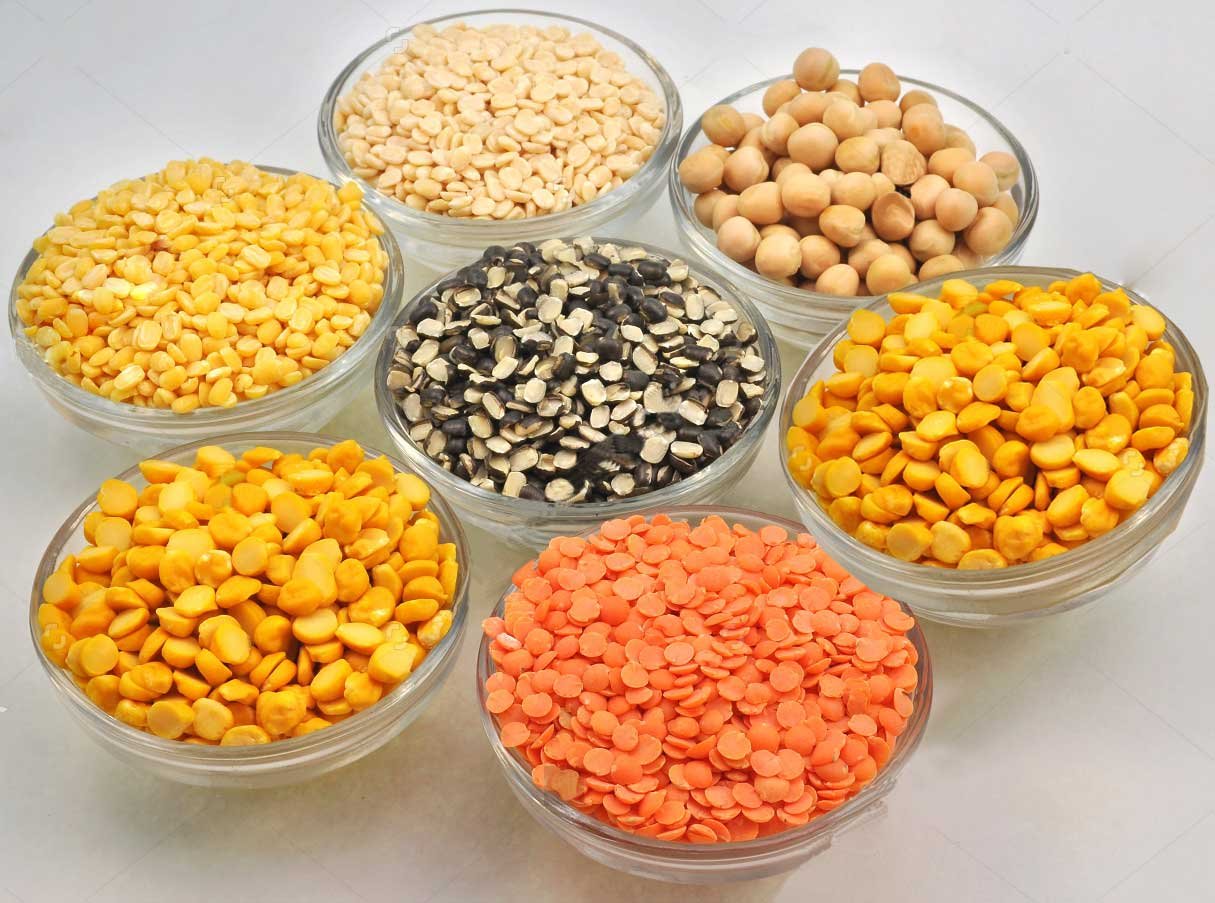
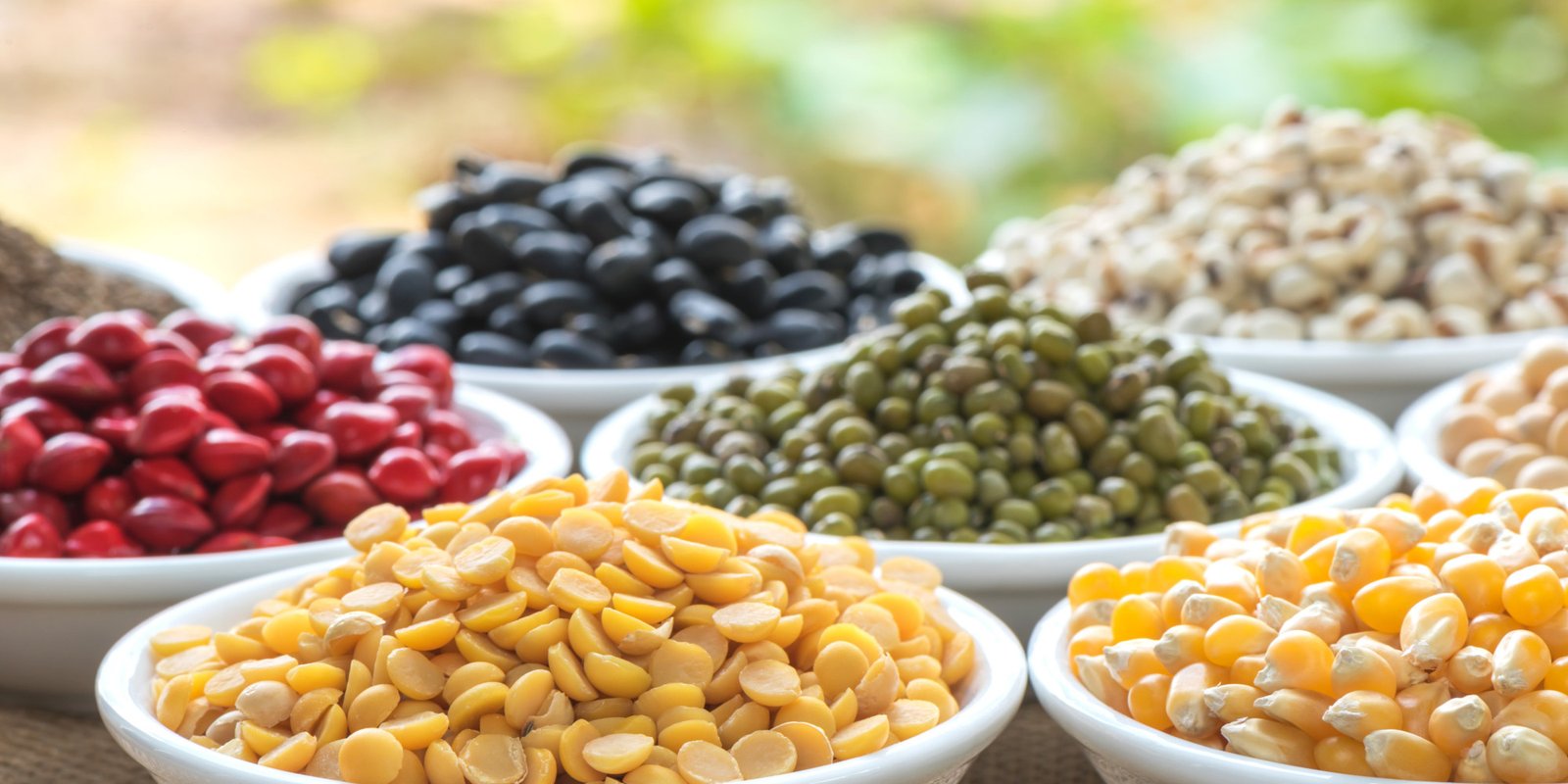
(image credit : pulses.org )
High in Fibre
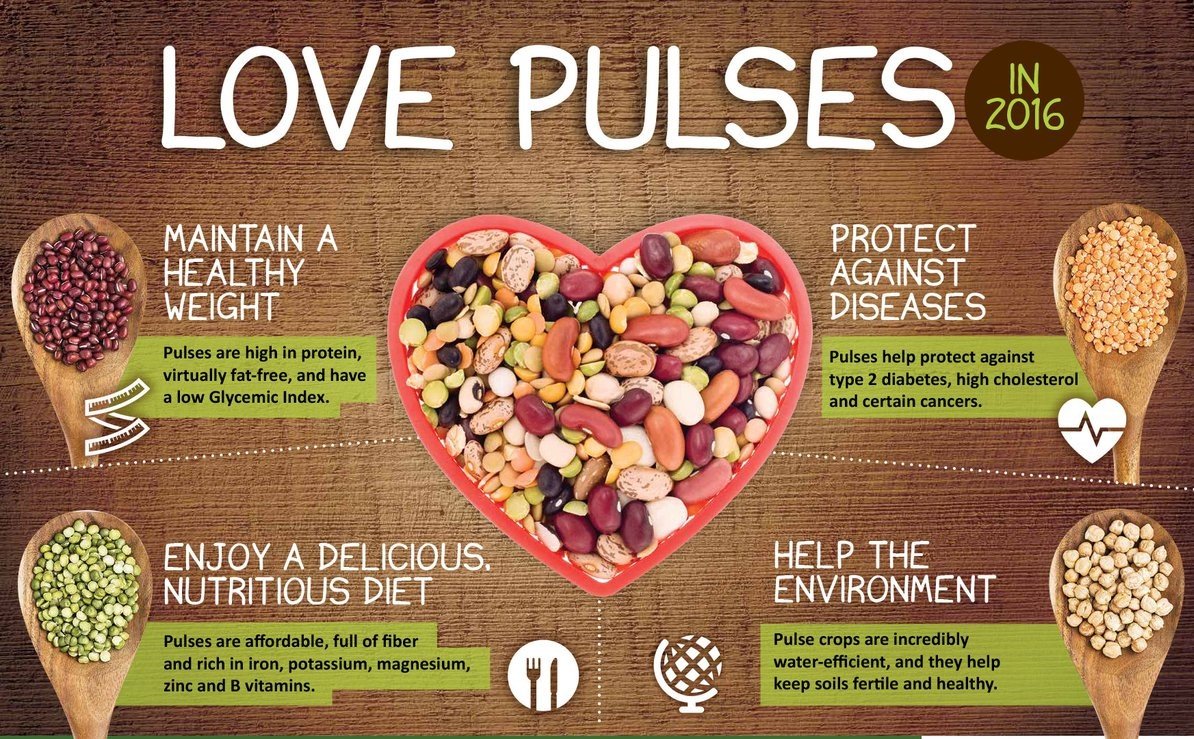
Pulses are very high in fibre, and contain both soluble and insoluble fibre. While soluble fibre helps to decrease blood cholesterol levels and control blood sugar levels, insoluble fibre helps with digestion and regularity. According to Health Canada, Canadian women need 25 grams of fibre per day and men need 38 grams of fibre per day, but most Canadians are only getting about half that much. Eating just 125 mL (1/2 cup) of cooked pulses provides 7 – 17 g of fibre.
Nutrient Rich
Pulses provide substantial amounts of vitamins and minerals including iron, potassium, phosphorus, magnesium and zinc. Pulses are also abundant in B vitamins including folate, thiamin and niacin.
Reduced Risk Factors for CVD and Diabetes
Pulses have a low glycemic index which means they do not cause a fast rise in blood sugar after eating. Studies have shown that eating pulses is a good way to manage blood sugar levels which is particularly important for people with diabetes. There is also strong scientific evidence linking regular pulse consumption to lower LDL cholesterol and blood pressure (which may reduce your risk of heart disease).
Satiety and Weight Management
Research suggests that pulses may help to increase satiety over the short term. Pulses have also been shown increase weight loss when used in energy restricted diets.
High in Protein
Pulses also make a healthy and inexpensive source of protein. Most pulses do not provide all of the essential amino acids, making them an incomplete source of protein. But if you include other grains and vegetables in your diet, you should be able to meet all of your amino acid needs. Soy beans, however, are one of only a few plant foods that provide all of the essential amino acids, making it a complete source of protein like meat. A 1 cup serving of cooked soybeans contains 26 g of protein, while a 3 oz. portion of cooked chicken contains 24 g of protein.
Good Source of Folate
Pulses also are a good source of folate, a B vitamin needed to produce and maintain new cells. Folate is especially important during periods of rapid growth, such as pregnancy and infancy. Women of childbearing age need adequate intake of folate to limit their risk of having a child born with a neural tube defect. Folate content varies among the different pulses. For example, a 1/2 cup serving of cooked black-eyed peas contains 105 mcg of folate, and the same size serving of cooked great northern beans contains 90 mcg.
Source: pulsecanada , livestrong